Why Mutebox chose Leap: Next-gen material for furniture
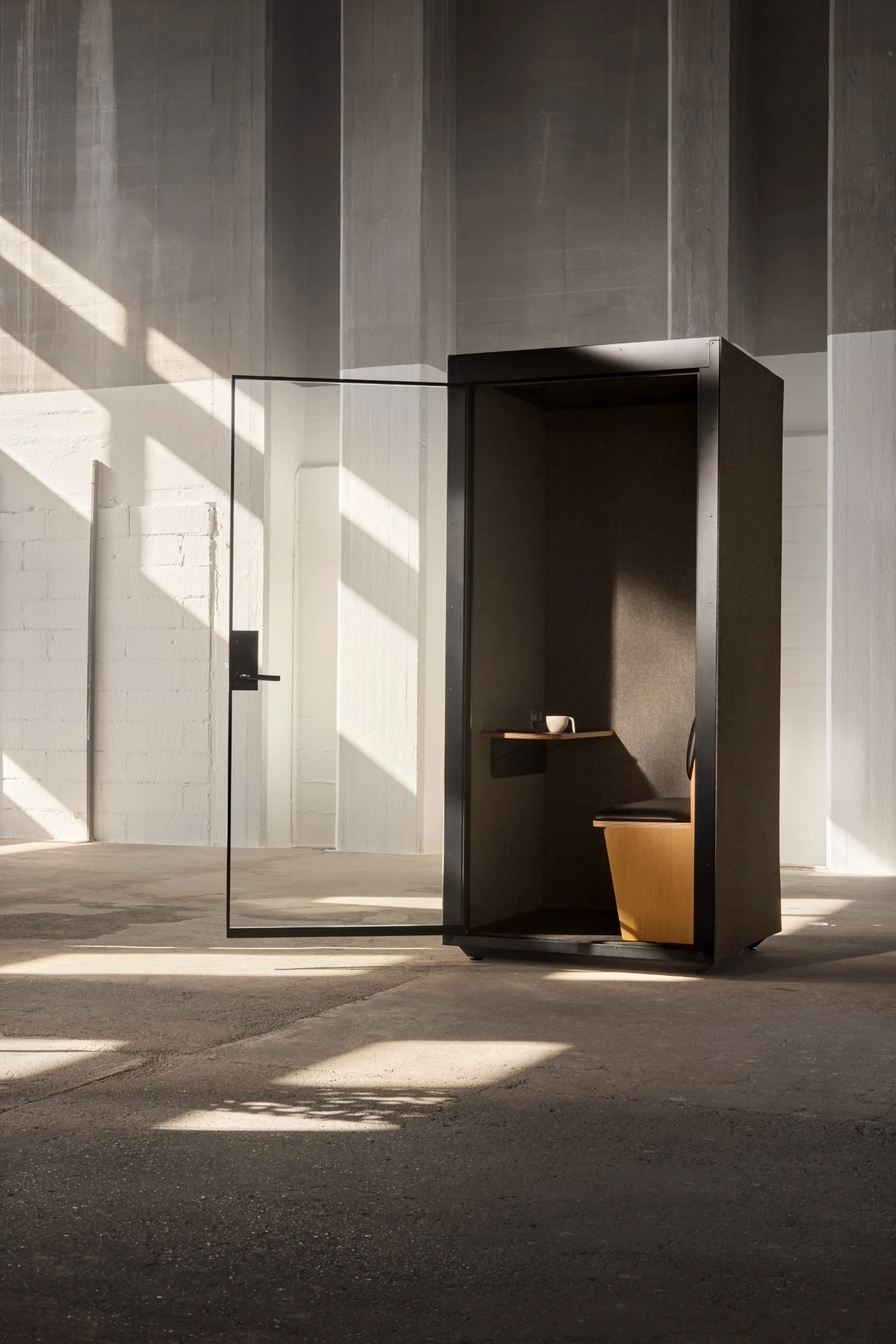
Mutebox designs and produces acoustic solutions in Denmark, where craft and responsibility are treated as one. When the team set out to find a material that could match both their performance standards and their values, the search led them to Leap.
What followed is a partnership built on a shared mindset. Design that lasts, materials that hold up, and a clear refusal to treat sustainability as an afterthought. We sat down with Mutebox CEO Thomas Stephansen to talk about how the company chooses materials, why Leap made sense for their benches and barstools, and where he sees the industry heading next.
1. Mutebox is known for thoughtful design. How would you describe your approach to sustainability and material innovation?
Design, craftsmanship, and responsibility are inseparable to us. Every decision reflects our ambition to create a more balanced, lower-impact world - both in how we design and who we work with.
We focus on reducing our footprint through recycled materials and certified fabrics sourced locally and within Europe, cutting CO₂ and supporting responsible production.
Our products are built to last. Components can be easily replaced or upgraded, extending lifespan and minimizing waste. It’s a practical approach to circular design made to perform, and made to endure.
@ by Mutebox
2. Where do you see Mutebox’s responsibility as a brand when it comes to driving more sustainable material choices in your industry?
We see it as our responsibility and we intend to own it.
Our ambition is to set the standard for more responsible material choices in our industry. We design, develop, and produce in Denmark, working only with certified partners and materials, from OEKO-TEX® textiles to Cradle-to-Cradle fabrics like Gabriel’s Cura Loop, Søuld and of course you guys.
We continuously reduce impact across every component. Our steel contains 50% recycled content and is sourced just 19 km from production. The foam is made from 100% recycled materials, and up to 50% of our felt comes from PET waste. Glass components are produced in Denmark with 20–35% recycled content, and all materials comply with REACH and RoHS standards.
We also design with circularity in mind. Surplus materials from our production are reused in new products, such as our acoustic tables and frames.
3. Before working with Leap, what were the biggest challenges you faced when sourcing responsible alternatives to traditional leather?
There are many strong, innovative brands pushing material development in a more responsible direction, so it hasn’t been about a lack of options.
For us, it came down to finding the right match. With Leap, we connected with both the material and the mindset. Your story, transparency, and the way they work. It simply felt like the right fit.
4. What was your first impression when you experienced Leap for the first time?
We were immediately impressed by the clarity of your vision. At the same time, the material stood out both in durability and feel. It didn’t feel like a compromise, but as an obvious decision.
5. What convinced you that Leap was the right material for your product?
It was a natural choice. A Danish-founded brand with a clear ambition and vision is something we strongly relate to. Leap has a disruptive mindset. You challenge the norm, which we admire.
Once we confirmed the material could meet our demands for durability and wear, the decision was simple.
6. How did Leap perform during prototyping and production compared to traditional leather or other alternatives you’ve tested?
It performed exactly as we needed.
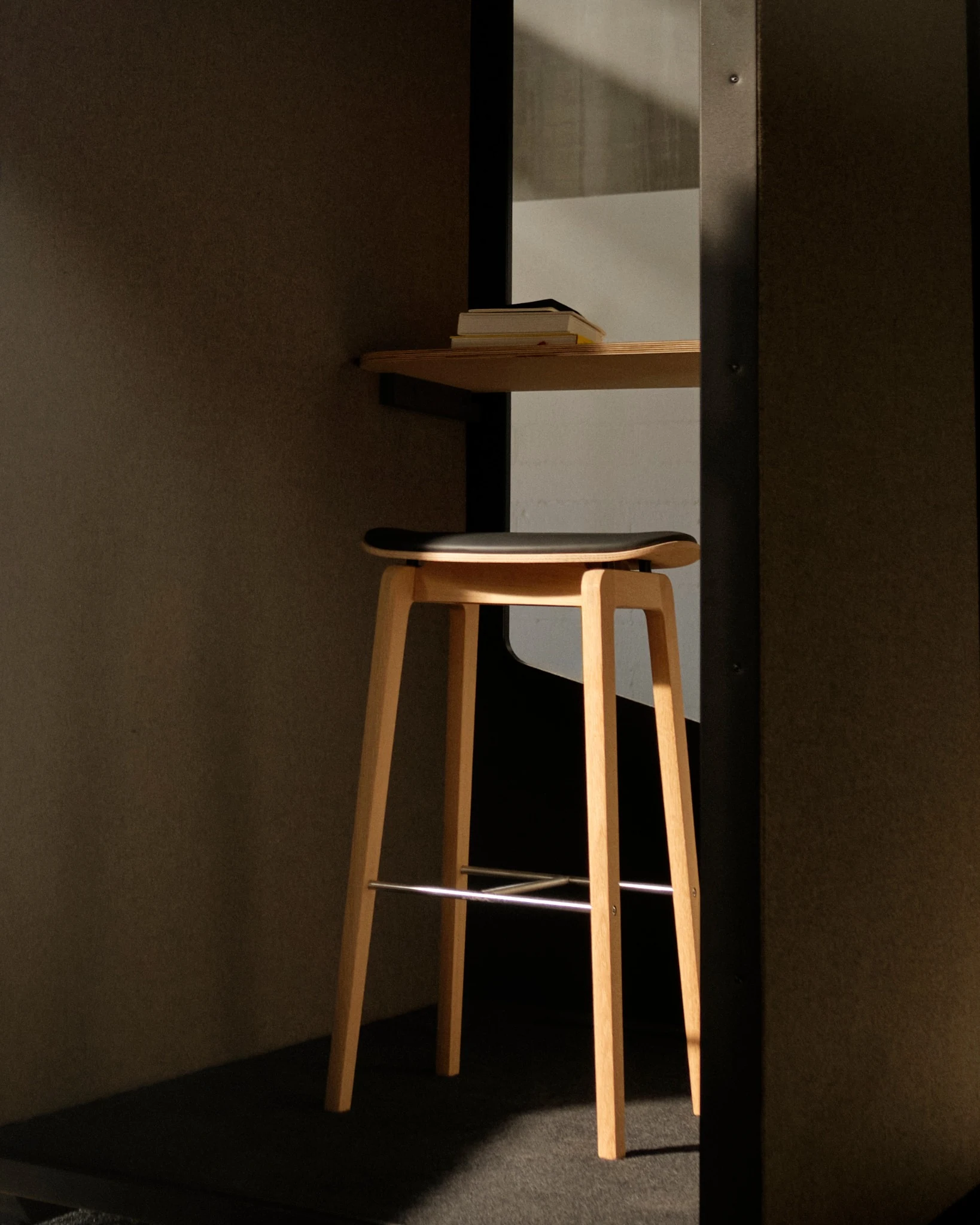
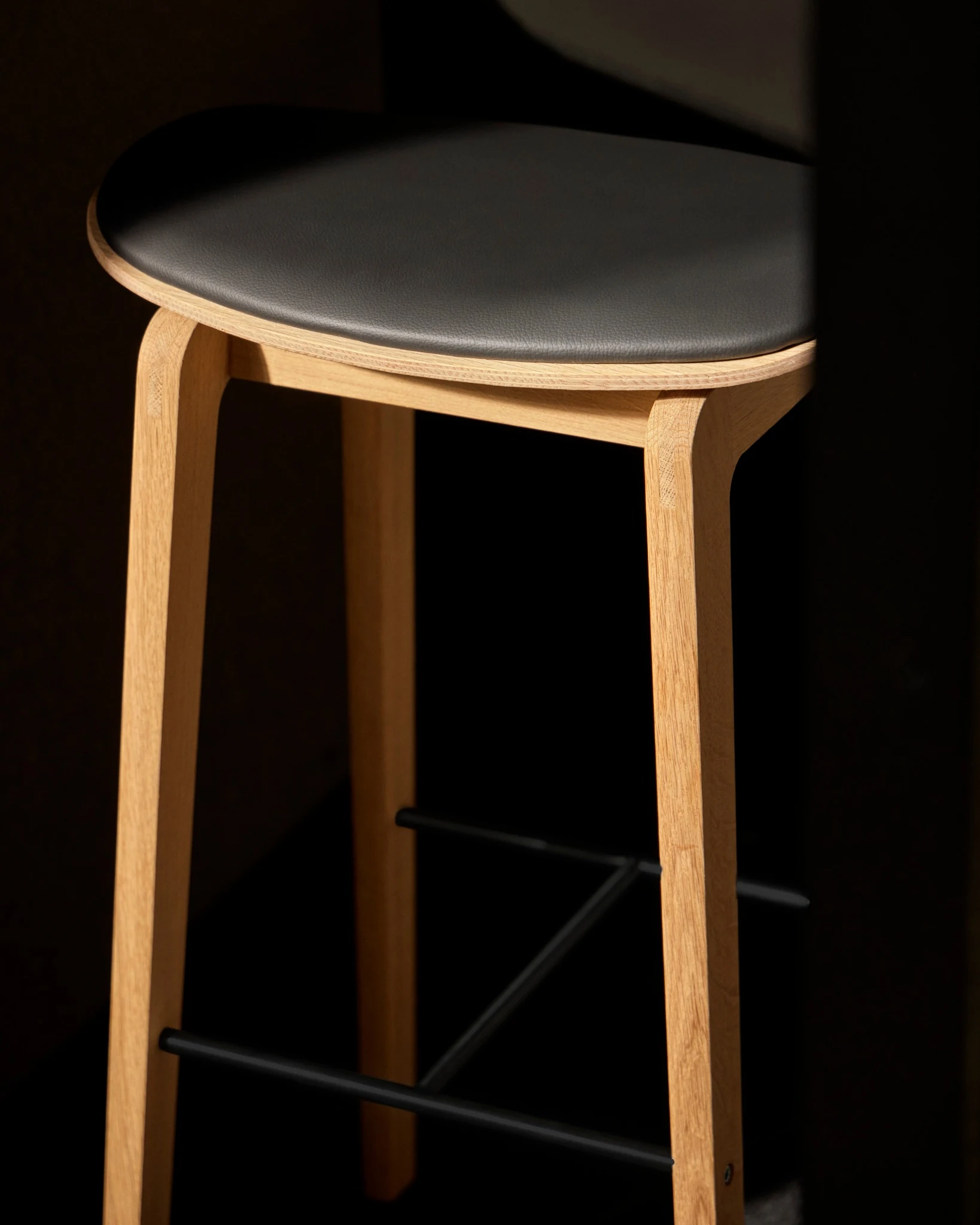
It integrated seamlessly into our benches and barstools, both in prototyping and production. One key advantage is that your material doesn’t patina. While patina can be beautiful over time, if you have an old chair or couch, our customers value consistency in both look and feel.
With Leap, what you see is what you get over time as well.
7. For your products, durability and long-term quality are essential. How does Leap meet those expectations?
It delivers. No complaints. It meets our standards for durability and long-term performance without compromise.
8. How does using Leap strengthen Mutebox’s sustainability strategy and storytelling toward your customers?
It compliments and strengthens it. With Leap, we move from intention to action. We don’t just talk about responsible choices, we show them.
9. Mutebox recently went through a rebrand. How does material innovation, and your decision to work with Leap, reflect the direction you’re taking as a company?
With our rebrand, we aimed to position Mutebox as a serious, innovative Danish design brand, crafting high-quality acoustic design solutions made in Denmark.
Architects are a key audience, and they value great materials and brands with a clear sustainability mindset. Leap fits perfectly.
On top of that, the ability to customize every box to our customers’ needs makes us more competitive and reinforces our responsible approach.
10. Do you believe next-generation materials like Leap will become the new standard? What role do you see Mutebox playing in that shift?
Yes. First, because the materials keep improving. Second, because sustainable alternatives are simply necessary.
Our role is to lead by example and push these new brands that do something new like you and Søuld. By offering these solutions and showing a more responsible way forward.
We know that quality, price, and aesthetics can meet the market’s needs and set a new standard in the process.
@ by Mutebox (Barstool)
About Mutebox and Leap
Mutebox designs and produces acoustic solutions in Denmark, combining craft, customization, and a clear sustainability mindset. Leap is a next-gen material for furniture and upholstery, based on apple pulp and produced in Germany.
Curious whether Leap fits your next collection? Request samples and see how it performs in person.
Cookies on this site
We use cookies to understand how this site is used and to improve it. Analytics and marketing cookies only run if you accept. Read our cookie policy